

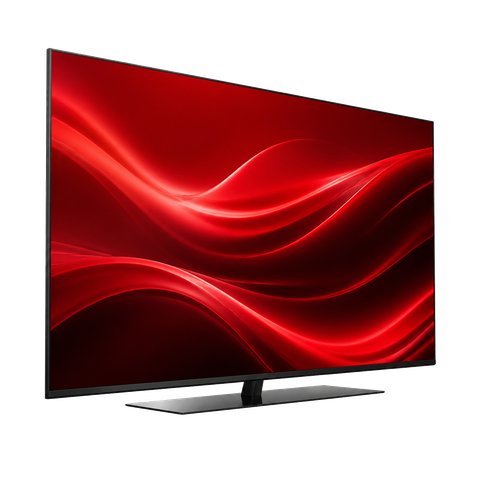







Match monitor size and resolution to viewing distance, desk depth, scaling preference and workload. This guide is based on standards, published specification concepts and practical system-design principles. It does not claim that Altun Elektronik performed hands-on laboratory testing of a specific model. The goal is to identify the specifications that can change a purchase decision and separate them from headline numbers that may not matter in normal use.
Pixel density in plain language
Start with the job you need the device to do and the constraints around it. A higher headline specification is useful only when the rest of the system can take advantage of it. Compatibility, physical layout, software support and long-term maintenance often matter as much as a peak number. Write down the one or two outcomes you care about before comparing models.
Desk depth matters
Compare like with like. Manufacturers can describe similar features with different labels, and a single version badge rarely guarantees every optional capability. Read the detailed specification table, confirm ports and accessories, and check whether a feature applies to every connector or only one. When a specification is ambiguous, treat it as unconfirmed until the seller or manufacturer documents it.
Productivity layouts
Plan for normal use rather than a best-case demonstration. Heat, wireless interference, shared bandwidth, battery state, room layout and background workloads can reduce real performance. A balanced configuration usually produces a better experience than overspending on one component while leaving another bottleneck unchanged. The useful question is whether the extra capability changes your routine.
Gaming tradeoffs
Think about ownership after the first week. Firmware support, replaceable cables or consumables, warranty terms, repairability and the availability of compatible accessories can change the real cost. If two products meet the same need, the easier one to maintain can be the stronger long-term choice. Also check return terms before buying a feature you have never used.
A balanced default
Use a short checklist before checkout: required compatibility, minimum performance, physical fit, power or battery needs, return policy and the features you will actually use. This keeps the comparison grounded in your workload instead of marketing language. Leave some headroom for future needs, but do not pay indefinitely for capacity that has no plausible use.
Quick comparison framework
| Question | Prefer this when | Watch for |
|---|---|---|
| Compatibility | Your existing devices support the required feature | Optional capabilities hidden behind a version label |
| Performance | The workload can use the extra capacity | A different component becoming the bottleneck |
| Convenience | Setup and maintenance fit your routine | Features that add complexity without daily value |
| Value | The improvement changes normal use | Paying for unused headroom |
Common buying mistakes
Do not compare only the largest number on two product pages, and do not assume a newer standard automatically fixes an unrelated problem. Check the complete chain: source device, cable or wireless link, accessory, display or endpoint, software support and power requirements. A single incompatible link can make a premium feature behave like the basic one. It is also safer to avoid time-limited urgency unless the store shows a real scheduled promotion and genuine inventory state.
Where to continue
Browse the related Buying Guides category, use the product comparison tool, and review the Help Center for shipping, returns and checkout questions. Prices, stock and delivery estimates on product pages and checkout are the source of truth for the current catalog.
A practical decision method for Monitor Size and Resolution: 24, 27, or 32 Inches?
Turn the purchase into a short requirements list before comparing products. For this topic, write down the environment, the devices you already own, the result you are trying to improve and any physical or budget limits. Then rank the requirements as must-have, useful and optional. That prevents a premium feature from winning the comparison merely because it is easy to advertise. The most useful factors to record are viewing distance, desk depth, pixels per inch, scaling, refresh rate and GPU workload. If a product page does not document one of your must-have items, treat it as unknown rather than assuming the newest model includes it.
Spend where the bottleneck actually is
A sensible upgrade changes the part of the system that is limiting the experience. The practical trade-off here is balancing physical size and resolution so text remains comfortable without forcing an unnecessary GPU upgrade. Compare the total system cost, including cables, adapters, mounting hardware, subscriptions, replacement consumables or companion devices that may be needed. If the cheaper choice already meets every must-have requirement, the saved budget can be more valuable than extra unused headroom. If the higher-priced option removes a known constraint you face every day, document that reason so the premium is tied to a real benefit instead of a specification race.
Compatibility check before checkout
Do a final compatibility pass using the manufacturer documentation for every important link in the chain. Specifically verify stand adjustment, VESA support, input bandwidth, USB-C power delivery if needed and the refresh rate available at native resolution. Check both ends of a connection when a feature depends on negotiation, and check whether an advertised capability applies to every port, mode or region. Save the model numbers and the settings you expect to use. This makes setup easier and gives you a concrete checklist during the return window. For features that depend on firmware or future updates, buy based on what is documented as available now rather than what may arrive later.
Use the return window as a fit check, not a laboratory claim
After delivery, confirm the practical requirements you can observe safely: physical fit, connection stability, controls, noise, heat within normal use, battery behavior, display readability, coverage or workflow integration as applicable. This is a buyer verification checklist, not a claim that Altun Elektronik benchmarked the product. Keep packaging until the important checks are complete and compare the result against the reasons you wrote down before buying. If a must-have feature is missing or incompatible, use the published return process instead of trying to justify the purchase with a feature you did not originally need.
Altun Elektronik editorial take
A monitor should fit the desk and viewing distance first. Resolution is useful when it improves readable workspace, not simply because the number is larger. Our general recommendation is to prefer documented compatibility, maintainability and a clear return path over the most aggressive headline number. A balanced system is easier to live with and easier to troubleshoot later. Product pages and checkout remain the source of truth for current price, inventory, warranty/return window and delivery availability; this guide is intended to improve the decision process, not to replace the current product specification or manufacturer documentation.
